

Understanding menopause: symptoms and natural support
Menopause is a natural stage of life, but its symptoms can affect sleep, mood and daily comfort. Here is what to expect and how to talk to your doctor about support.
Read moreYour digestive system is home to a vast community of bacteria and other microorganisms, known as the gut microbiome. These microbes help break down food, produce certain vitamins and support the immune system.
The World Health Organization defines probiotics as live microorganisms which, when administered in adequate amounts, confer a health benefit on the host. Common examples include Lactobacillus and Bifidobacterium species.
Antibiotics, illness, stress and diet can all shift the balance of the microbiome. This may lead to digestive discomfort such as diarrhoea or constipation.
If you are taking antibiotics, take probiotics at least two hours before or after your antibiotic dose, unless your doctor advises otherwise.
Fibre-rich foods such as vegetables, fruit, lentils and whole grains act as prebiotics — food for beneficial bacteria.
This article is for general information only and is not a substitute for advice from a registered physician.
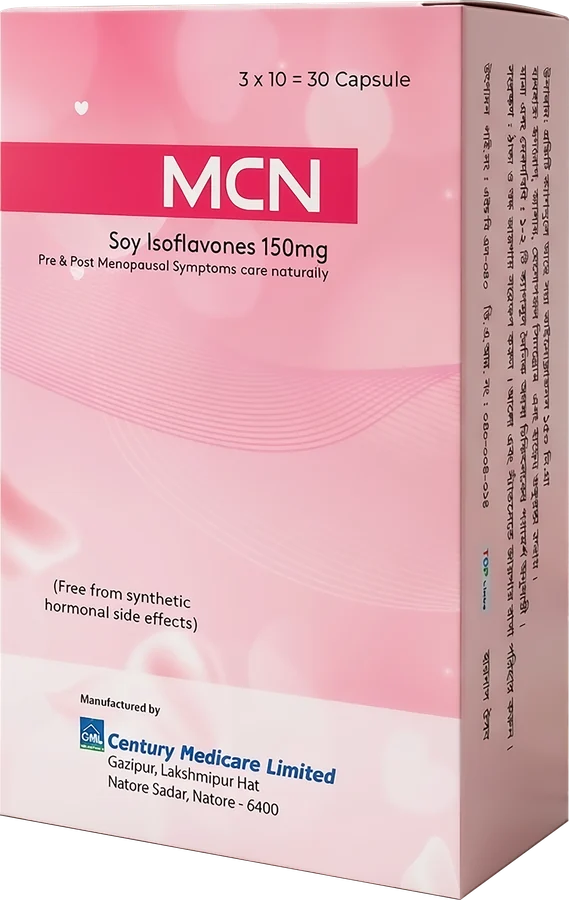
Menopause is a natural stage of life, but its symptoms can affect sleep, mood and daily comfort. Here is what to expect and how to talk to your doctor about support.
Read more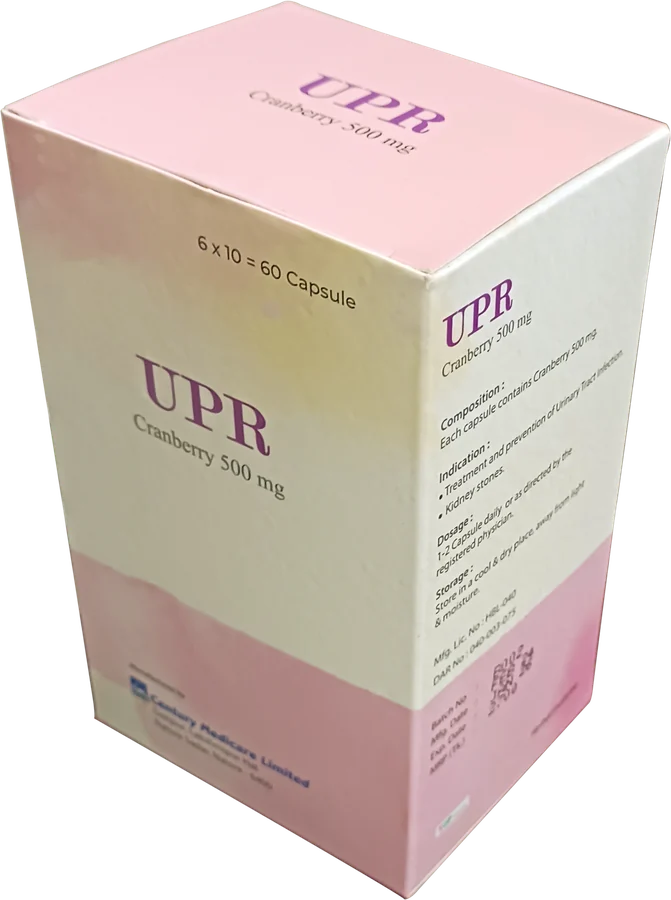
Urinary tract infections are common, and for many women they return. Understanding why can help you take simple steps to protect yourself.
Read more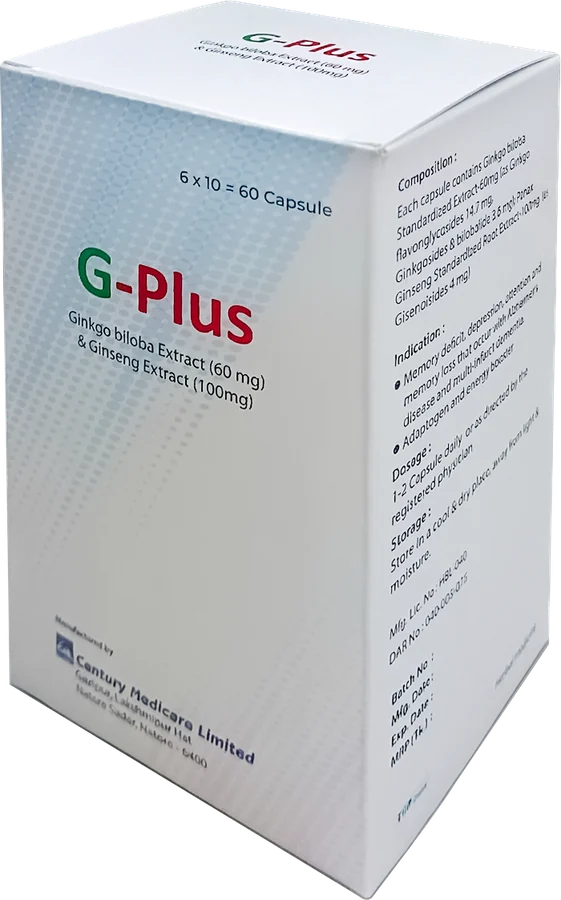
Used for centuries in traditional medicine, ginkgo biloba and Panax ginseng are now among the most studied botanicals in the world.
Read more