

Why urinary tract infections come back — and how to lower the risk
Urinary tract infections are common, and for many women they return. Understanding why can help you take simple steps to protect yourself.
Read moreMenopause marks the end of menstrual periods and usually happens between the ages of 45 and 55. The years leading up to it — perimenopause — can bring changes long before periods stop completely.
Many women experience hot flushes, night sweats, trouble sleeping, mood changes and vaginal dryness. Falling estrogen levels can also affect bone density and heart health over time.
Soy isoflavones are plant compounds with a structure similar to estrogen, which is why they are called phytoestrogens. They have been studied for their role in easing menopausal symptoms such as hot flushes.
Regular physical activity, a balanced diet rich in calcium and vitamin D, limiting caffeine and alcohol, and keeping the bedroom cool can all make symptoms easier to manage.
Every woman's experience is different. Speak with a registered physician about your symptoms and the options that are right for you before starting any supplement.
This article is for general information only and is not a substitute for advice from a registered physician.
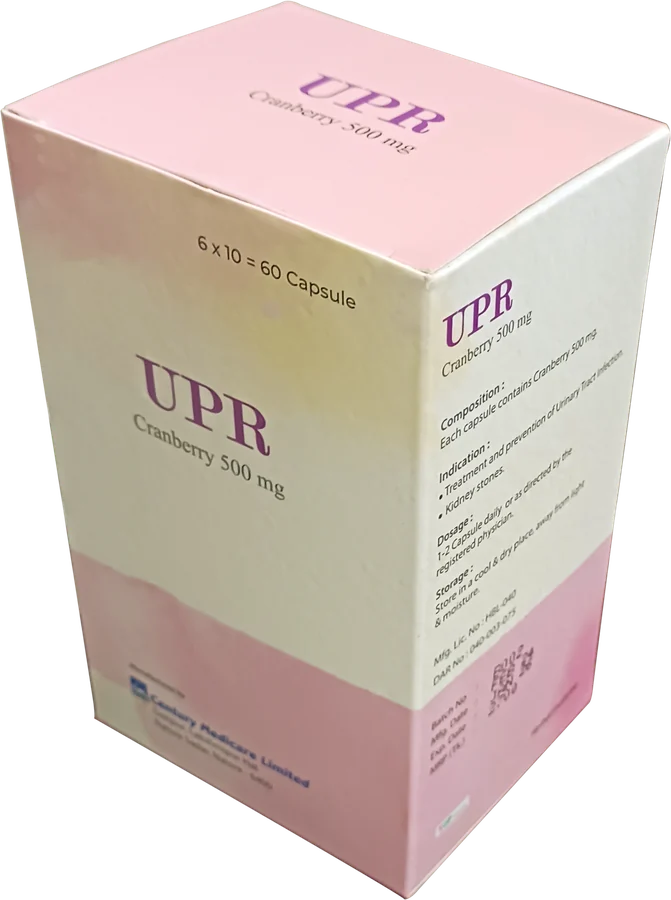
Urinary tract infections are common, and for many women they return. Understanding why can help you take simple steps to protect yourself.
Read more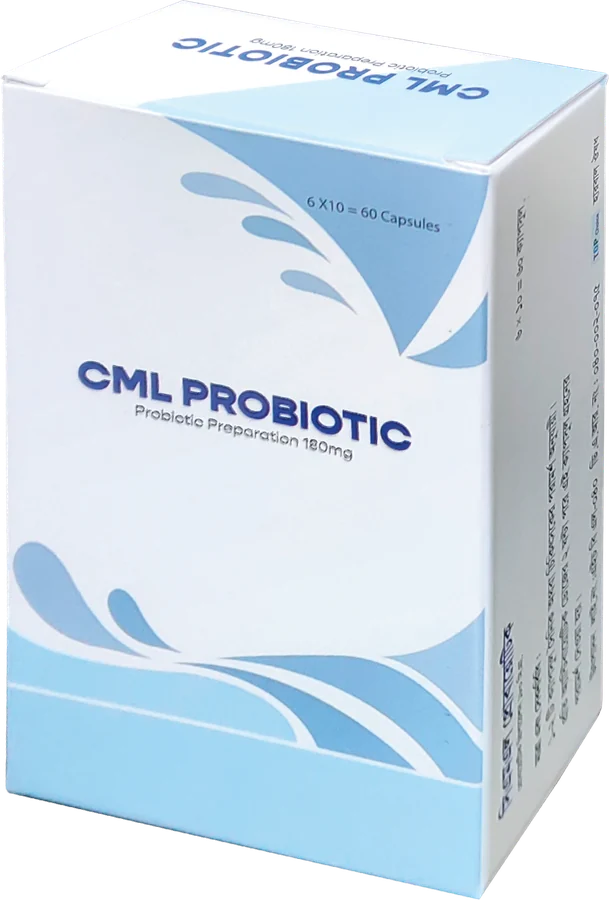
Trillions of microbes live in your gut and play a role in digestion and immunity. Here's how probiotics fit in.
Read more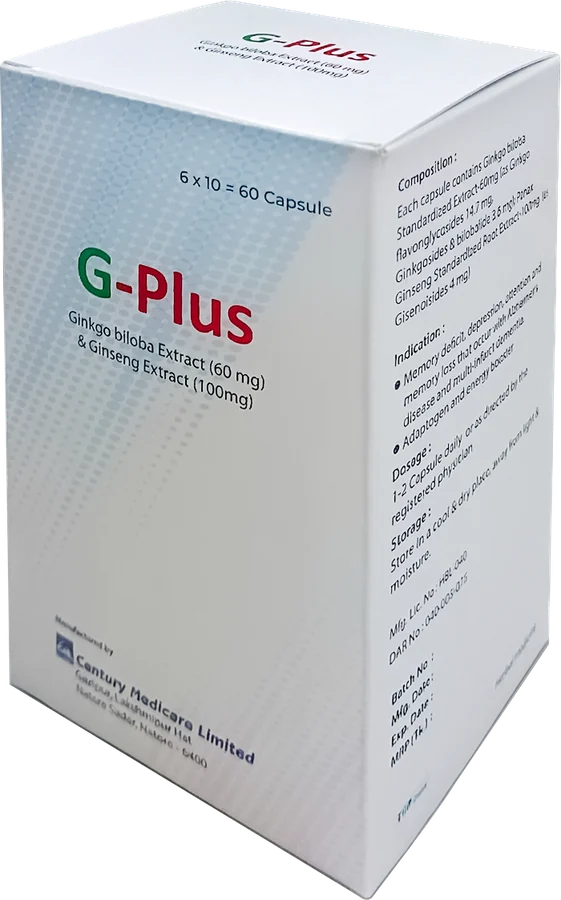
Used for centuries in traditional medicine, ginkgo biloba and Panax ginseng are now among the most studied botanicals in the world.
Read more